Source Glass Chips for Decoration, Industrial, and Landscape Uses
Compare 30 listings for glass chips sourced from Shandong, China. Buyers can review specifications like size, color, and material for uses in decoration, industrial settings, and landscape projects.
Key considerations
Products List




Comprehensive Sourcing Guide
Strategic Sourcing Guide for Crushed Glass Chips and Decorative Glass Aggregates
Understanding Product Variants and Technical Specifications
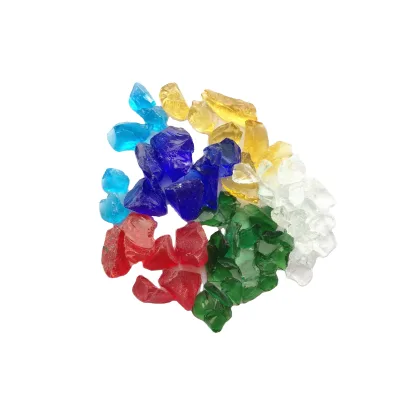
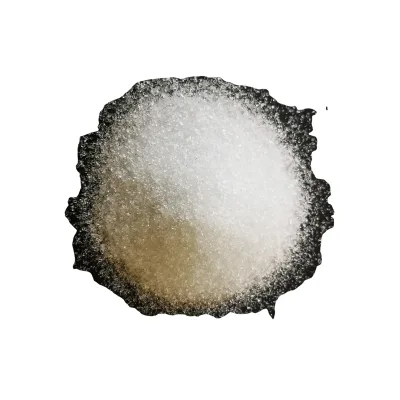
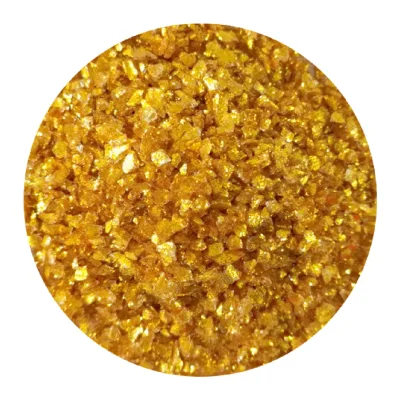
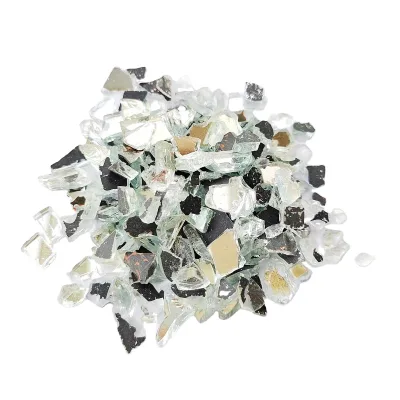
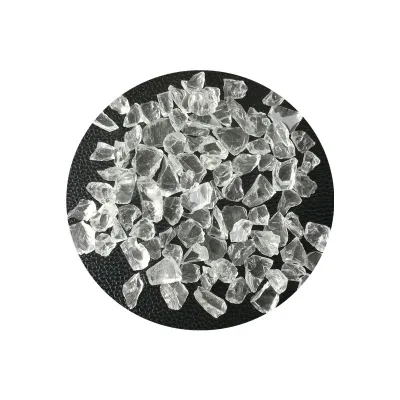
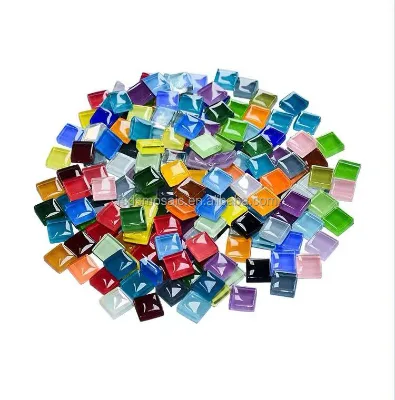
When sourcing crushed glass chips, buyers must first distinguish between the two primary material categories observed in the current market: crushed colored glass and crushed mirror glass. While both fall under the broad umbrella of "glass chips," their physical properties, manufacturing techniques, and end-use applications differ significantly. The crushed colored glass variant is characterized by a solid structure and is produced through a crushing technique that results in granule or chip shapes. These products are available in a wide spectrum of multiple colors, making them ideal for aesthetic applications where visual impact is paramount. In contrast, the crushed mirror glass is derived from flat mirror material and typically presents a clear color profile. The manufacturing process for this variant often involves specific thickness ranges, with observed specifications extending from 1mm up to 19mm for the raw material before crushing, resulting in particle sizes that can range from 0.1mm to 9mm depending on the specific model number requested.
The technical specifications for these products are highly granular, allowing for precise customization based on project requirements. For crushed colored glass, the regular size options include distinct ranges such as 1-3mm, 3-6mm, 6-9mm, 9-12mm, and 10-20mm. This allows procurement teams to select the exact aggregate size needed for specific textures, whether for fine detailing or bold landscaping features. Similarly, the crushed mirror glass offers a different set of size specifications, including 0.1-0.6mm, 0.3-1.2mm, 1-3mm, 2.5-4.0mm, 3-6mm, and 6-9mm. The shape of the final product is another critical technical variable; while the colored glass is explicitly described as having a granule or chip structure, other observations in the market indicate flat shapes for certain mirror applications. The structure of the material is consistently solid, ensuring durability during transport and installation. Buyers should note that the technique used is primarily "crushed," though some product listings also reference "stained glass" techniques, which may imply specific processing methods for the final aesthetic finish.
Compliance, Certification, and Quality Assurance Protocols
In the B2B procurement of glass aggregates, verifying compliance and quality assurance mechanisms is essential to mitigate supply chain risks. While specific certification bodies like ISO 9001 or BSCI are often cited in general industry backgrounds, buyers must treat these as potential attributes rather than guaranteed facts for every listed supplier. Instead of assuming certification status, procurement teams should explicitly request test reports, which are noted as being available "sent upon request" for these products. This proactive approach ensures that the specific batch of glass chips meets the required safety and quality standards before a large order is placed. The quality control process for these materials often includes a rigorous inspection phase where every bag is checked before shipment. This level of scrutiny is a high-confidence fact observed in the supply chain for crushed colored glass and serves as a critical benchmark for evaluating supplier reliability.
Beyond physical inspection, buyers should investigate the supplier's ability to provide documentation regarding the material's composition and safety. For applications involving indoor spaces such as kitchens, bathrooms, or offices, the material's properties regarding water resistance and durability are paramount. The product attributes indicate that these glass chips are waterproof and durable, with some listings explicitly claiming eco-friendly characteristics. However, without a specific certification document, these claims should be treated as product features to be verified rather than absolute guarantees. The supply chain also offers "onsite inspection" as an after-sale service, which can be a valuable tool for buyers to validate the quality of the product upon delivery or during the manufacturing process. This service allows for a direct assessment of the product's adherence to the agreed-upon specifications, ensuring that the "solid structure" and "colored glass" attributes are consistent throughout the shipment.
Cost Drivers and Pricing Structure Analysis
The pricing structure for crushed glass chips is influenced by a complex interplay of factors, including material type, packaging density, and order volume. The observed price range in the market spans from $0.26 to $1,209, reflecting the vast difference between small sample orders and bulk industrial shipments. This wide variance indicates that the unit price is not static but is heavily dependent on the specific configuration of the order. For instance, the packaging details reveal that products are shipped in various bag sizes, including 1.25 metric tons per bag, 25kg per bag, 20kg per bag, and 15kg per bag. The choice of packaging directly impacts the logistics cost and the final price per unit. Larger bulk bags, such as the 1.25 metric ton option, are likely to offer a lower cost per kilogram compared to smaller retail-style packages, making them more suitable for large-scale industrial or commercial projects.
Minimum Order Quantity (MOQ) is another significant cost driver, with observed ranges spanning from 1 to 5,000 units. Buyers seeking to minimize upfront capital expenditure can take advantage of low MOQ options, which may include free small samples. This flexibility allows procurement teams to test the product quality and aesthetic fit before committing to a large volume purchase. However, for buyers requiring consistent supply for ongoing projects, negotiating a higher volume order can lead to more favorable pricing tiers. The monthly capacity of suppliers, observed at 4,000 metric tons, suggests that the market can handle significant volume without compromising on supply stability, provided the order aligns with the supplier's production schedule. Additionally, the single gross weight of the packages, ranging from 1.2kg to 1.5kg for smaller units and over 50kg for larger industrial packs, must be factored into the total landed cost, including shipping and handling fees.
Typical Applications and Usage Scenarios
The versatility of crushed glass chips makes them suitable for a diverse array of applications, ranging from residential decoration to heavy-duty industrial use. The product attributes highlight "multiple uses" and "decoration" as primary functions, but the specific application list extends far beyond simple aesthetics. In residential settings, these materials are utilized in kitchens, bathrooms, dining areas, living rooms, and home offices. The waterproof and durable nature of the glass makes it particularly suitable for wet areas like bathrooms and kitchens, where resistance to moisture and wear is critical. For commercial and public spaces, the applications include supermarkets, laundry facilities, workshops, office buildings, gyms, malls, hotels, and hallways. The ability to be used in outdoor environments, including basements and outdoor living spaces, further underscores the material's resilience against environmental factors.
The installation methods for these products are equally varied, supporting freestanding, wall-mounted, and countertop configurations. This flexibility allows architects and designers to integrate crushed glass into a wide range of design concepts, from modern-style interiors to functional industrial floors. The "stained glass" technique mentioned in some product descriptions suggests potential use in artistic installations or decorative panels, where the interplay of light and color is essential. For industrial applications, the crushed mirror glass and colored glass can serve as aggregates in concrete or as decorative surfacing in high-traffic areas. The specific size ranges, such as 1-3mm for fine detailing or 10-20mm for bold landscaping features, enable buyers to tailor the product to the specific visual and functional requirements of the project. Whether used for creating a shimmering effect in a bathroom backsplash or a durable, slip-resistant surface in a workshop, the application potential is extensive.
Supplier Evaluation and Service Capabilities
Evaluating potential suppliers requires a focus on service capabilities, communication channels, and logistical reliability. A key differentiator among suppliers is the availability of customer support, with many offering "24 hours online" service to address inquiries and technical issues promptly. This round-the-clock availability is crucial for international buyers operating in different time zones, ensuring that project timelines are not delayed due to communication gaps. The "free small sample" policy is another important factor, allowing buyers to physically inspect the product's color, texture, and size before placing a bulk order. This reduces the risk of receiving a shipment that does not meet the project's aesthetic or functional requirements.
Furthermore, the supplier's project solution capability should be assessed, particularly for complex installations. While some suppliers list their capability as "Others," indicating a flexible approach to custom projects, buyers should verify if the supplier can provide technical guidance for specific installation scenarios. The after-sale service offerings, such as "onsite inspection" and "online technical support," provide an additional layer of security for the buyer. These services demonstrate a commitment to customer satisfaction and product performance beyond the point of sale. When evaluating suppliers, buyers should also consider the brand reputation, with "Hi Chipper" being a noted brand in the market. However, the absence of a specific brand name in other listings suggests a competitive market where generic suppliers may offer similar quality at different price points. The key is to verify the supplier's ability to deliver consistent quality, as evidenced by their quality control processes and willingness to provide test reports.
Long-Term Procurement Considerations and Inventory Management
Sourcing crushed glass chips involves long-term considerations regarding inventory management, supply continuity, and lifecycle costs. The monthly capacity of 4,000 metric tons indicates that the supply chain is robust enough to support large-scale, ongoing projects. However, buyers must plan for lead times and production schedules to ensure that inventory levels remain sufficient to meet project demands. The "1 Year" warranty offered on some products provides a safety net for quality issues that may arise after installation, but buyers should clarify the terms of this warranty to understand what is covered and what is excluded. Additionally, the "Eco-Friendly" attribute of the product suggests that these materials may contribute to sustainability goals, which is increasingly important in modern procurement strategies.
Inventory management should also account for the varying packaging options. The availability of different bag sizes, from 15kg to 1.25 metric tons, allows buyers to optimize storage space and handling efficiency. For projects with tight deadlines, the ability to source smaller quantities quickly can be advantageous, while large-scale projects may benefit from the economies of scale offered by bulk packaging. Buyers should also consider the potential for future price fluctuations and the impact of raw material costs on the final product price. By establishing a long-term relationship with a reliable supplier, buyers can secure more favorable terms and ensure a consistent supply of high-quality glass chips. The combination of technical flexibility, robust quality control, and comprehensive after-sale support makes the crushed glass chip market a viable option for a wide range of procurement needs, provided that buyers conduct thorough due diligence and maintain clear communication with their suppliers.
FAQs
What sizes are available for crushed colored glass chips?
Regular sizes include 1-3mm, 3-6mm, 6-9mm, 9-12mm, and 10-20mm. These granule and chip shapes are designed for various decoration projects requiring specific aggregate dimensions.
Can I get a free sample before placing a bulk order?
Yes, free small samples are available for evaluation. This allows buyers to verify the color, texture, and size before committing to larger quantities from the supplier.
What is the monthly production capacity for these glass chips?
The monthly capacity is 4000 metric tons. This high volume ensures that suppliers can handle large industrial orders while maintaining consistent supply stability for ongoing projects.
How are the glass chips packaged for shipment?
Packaging options include 1.25 metric tons per bag, 25kg, 20kg, or 15kg bags. The choice of bag size impacts logistics costs and is selected based on project scale.
Where are the glass chips manufactured and shipped from?
The products originate from Shandong, China. This location is the primary place of origin for the listed crushed glass and mirror chips supplied by the vendors.
What quality control measures are taken before shipment?
Every bag is checked before shipment to ensure quality. Additionally, onsite inspection services are available to verify the product adheres to the agreed specifications upon delivery.
Which applications are suitable for crushed mirror glass chips?
Applications include supermarkets, kitchens, bathrooms, offices, gyms, and outdoor areas. These clear glass chips are used for decoration and industrial purposes due to their durability.